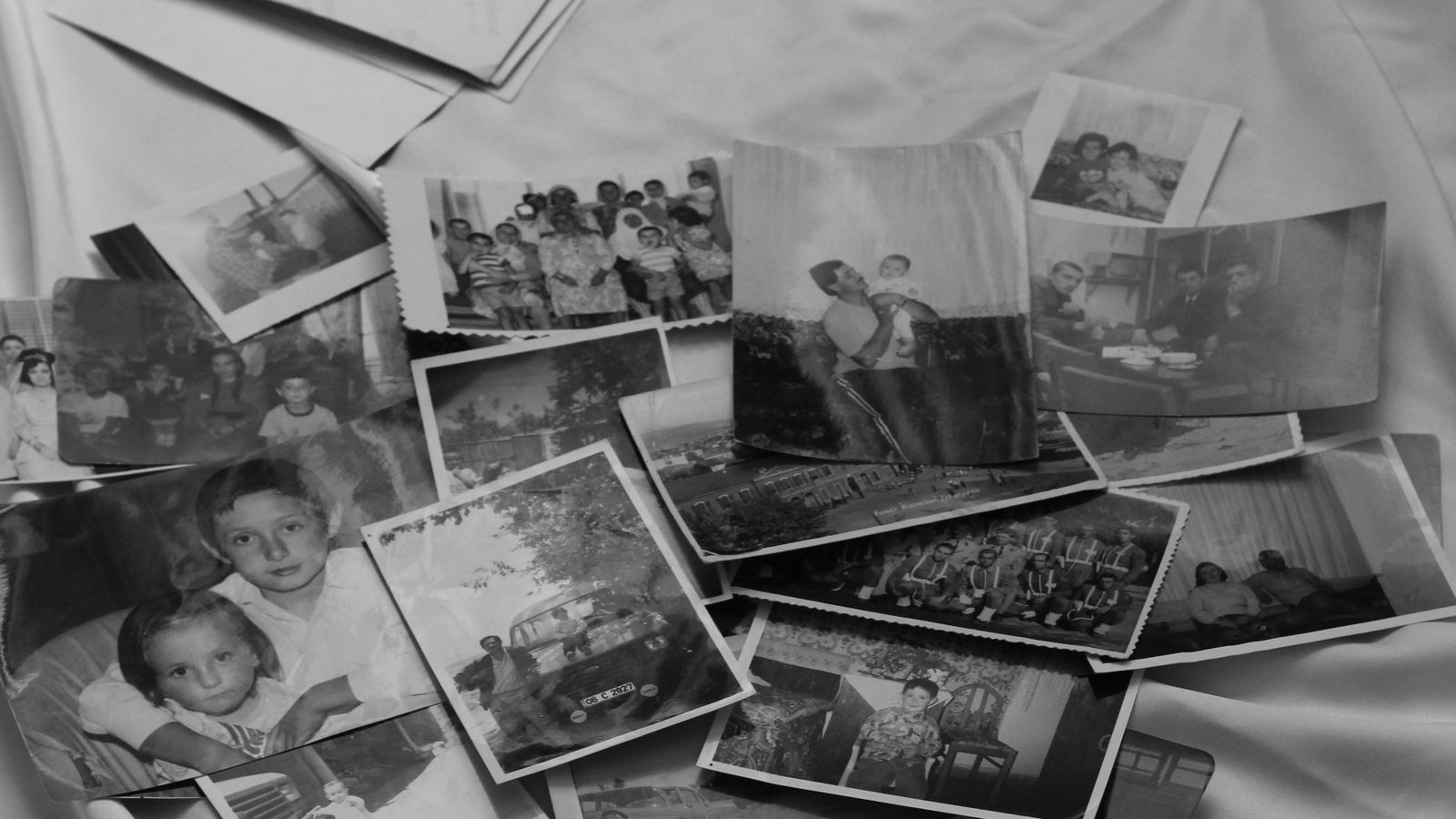
Sometimes a family-history search begins with an old photograph, a name written several different ways, and a story that has travelled across a few countries and several decades. Unfortunately, there is no single Korean website where you type in a name and get a family tree with everyone’s phone number.
The better approach is to separate historical research from finding living people. Korea has useful archival records and genealogy resources, but access to living people’s registration information is protected. The steps below help you work from what you know toward lawful, respectful contact.
Start with what you already know
Before searching Korean websites, make one private research sheet. Include:
- Original documents: birth or marriage certificates, old letters, school records, photographs, travel documents and immigration paperwork you are entitled to use.
- Names: full names in English, any Korean spelling (Hangul), and possible alternative Romanizations. Korean surnames and given names may be written differently across countries and decades.
- Time and place: approximate birth years, last known cities or provinces, work history, schools, and the dates of moves between countries.
- Relationships: who personally remembers each detail, and which claims come only from secondhand family stories.
- Confidence levels: mark each detail as documented, recalled or unconfirmed.
In a multilingual family, a small transcription difference may matter more than a broad search for a common surname. If you have an old handwritten Korean name, ask a competent Korean reader to transcribe it before searching. Don’t guess a Hangul spelling from an English rendering and treat it as proven.
Keep identity numbers, home addresses, private photographs and genetic data off public posts.
Hero photograph: Esra Erdem / Pexels. Family-history research can feel a bit like detective work, minus the conveniently labeled clues.
Which Korean family records exist, and can you access them?
Korea’s Supreme Court Electronic Family Relations Registration System is the official portal for civil family records. It is not an open genealogy search engine.
| Korean document | What it generally covers | Important limitation |
|---|---|---|
| 가족관계증명서 (Family Relations Certificate) | Registered relationships, including information about parents, spouse and children, depending on certificate type | Legal access is restricted; it isn’t searchable simply because you know someone’s name |
| 기본증명서 (Basic / Identification Certificate) | Core civil-status details about the registered person | Not an unrestricted public record |
| 혼인관계증명서 (Marriage Relations Certificate) | Registered marriage-related details | Issuance follows the family-records access rules |
| 제적등본 (older family register copy) | Historical household and family entries under the pre-2008 register system | Useful for older generations, but requesting it still requires lawful eligibility |
| 족보 (clan genealogy book) | Ancestral lineage and clan history, often organized by surname and ancestral place of origin | Historical genealogies may omit, simplify or inaccurately record people; not a modern contact directory |
The Supreme Court explains that family certificate requests are normally available to the person concerned, spouse, direct blood relatives, or appropriately authorized representatives, with specific exceptions provided by law. See its English overview and access restrictions and the 2026 text of Article 14.
Practical implication: Being a biological descendant may be relevant, but someone whose relationship is not established in the accessible Korean records should not assume an office will issue a third party’s certificate based solely on a foreign document. Ask the relevant consulate or registry office what proof of relationship and authorization they require.
Korean government guidance explains that the old household-register copy, 제적등본, concerns the earlier register system replaced in 2008. Its online availability does not mean it is freely accessible to strangers.
What if your family history goes back several generations?
This is where Korea’s traditional jokbo (족보) can help. A jokbo records clan ancestry, often involving a surname, branch and bongwan (본관), the clan’s ancestral place of origin. Two people who share a surname do not necessarily belong to the same family line.
Two concrete research resources are:
- FamilySearch Korea, which offers free family-tree tools and historical records. Some collections require an account or browsing scanned images rather than a modern searchable name index.
- Inje University’s Digital Genealogy Library, a Korean-language collection organized by surnames and clan histories. Its English explanation of jokbo types is a good starting point.
The FamilySearch Korea Local History collection includes old place-based material, much of it written in Hanja (Chinese characters used historically in Korea). That can help confirm locations or historical relationships, but most people searching for a living parent or cousin will need more than a clan book.
Useful search terms: 족보 (genealogy book), 본관 (ancestral clan origin), 성씨 (surname), 제적등본 (historic family register), and 가족관계증명서 (family certificate).
Is there a Korean AncestryDNA or 23andMe equivalent?
The key question is not only which test you take, but who else has tested and agreed to matching.
Consumer services such as AncestryDNA and 23andMe can sometimes identify genetic relatives who participate in that provider’s matching system. But having tested with several popular services abroad does not guarantee that any Korean relatives have joined those particular databases. Results from different services are not automatically pooled into one Korean nationwide family finder.
Before taking a new test or sharing raw data, check the provider’s current matching availability, geographical coverage, account privacy settings and rules for uploading or deleting data. DNA can also reveal unexpected parentage or other sensitive family information. Only submit another person’s genetic material with appropriate informed consent.
Korea does have a government DNA program, but it is specialized
The National Center for the Rights of the Child coordinates a birth-family DNA pathway for eligible Korean adoptees whose identifying birth-parent details are unknown. The program can involve Korean diplomatic missions abroad and the National Police Agency.
That does not mean everyone looking for an estranged relative can submit DNA into a searchable Korean population database. Eligibility matters, and adoption-specific services should not be presented as a general solution for unrelated family-separation cases.
Can the police or a Korean government office help?
Korea has a formal police service called 헤어진 가족 찾아주기 신청, roughly an application to help find separated family members.
Its published scope includes certain forced or historical separations, such as the Korean War, being lost or abandoned in childhood, and overseas adoption. The service is free, and its government listing gives a general processing period of up to 60 days and specifies supporting evidence.
Important limitation: Korean police guidance says this is not a general way to retrieve the address of an adult sibling or other person who simply lost touch. Privacy laws and eligibility restrictions apply. The National Police Agency’s Safe182 site explains other missing-person programs, but those also have defined purposes.
If the situation involves a person currently believed to be missing or at immediate risk, that is a different, urgent matter requiring the appropriate police or emergency process rather than a family-history website.
Will Naver, KakaoTalk or Korean Facebook groups help?
They can help with research or introductions, but none is a lawful back door to someone’s private government records.
- Naver (네이버): Useful for researching historical organizations, archived articles, publicly published community histories and specialist genealogy material. A Naver Cafe may be relevant if it has a legitimate genealogy or hometown focus.
- KakaoTalk: Better as a way to communicate once someone willingly provides their contact details. There is no verified special Kakao channel that will search Korean civil records or locate arbitrary relatives.
- Family and diaspora communities: Korean-speaking heritage organizations or community groups may know where to ask next. They should be approached as voluntary intermediaries, not asked to disclose anyone’s private address.
If you come across a possible relative, a respectful approach is to have a trusted intermediary pass along your own contact information, leaving the other person free to respond or decline. Do not repeatedly contact family members, publish identifying details about living people, or pressure acquaintances to divulge confidential information.
What can a Korean embassy or consulate do?
A Korean mission may be able to explain official family-registration certificate procedures and the evidence needed for an eligible applicant abroad. For example, the Korean consulate in Toronto’s family-registration guidance, updated in June 2026, lists certificate types and different application routes.
That does not make a consulate a people-finding agency, and it does not give third parties unrestricted access to a Korean citizen’s record. Ask specifically about eligibility and documentation, not for a person’s private address.
A sensible order to try things
- Make a documented family timeline. Separate confirmed evidence from memories and possible name variants.
- Find the Korean spelling if possible. Check old papers and have names accurately transcribed.
- Identify the right record route. If you qualify to obtain a family certificate, ask the court portal or Korean consulate about proof of relationship. If not, do not attempt to bypass the rules.
- Explore historical sources. Use FamilySearch and jokbo libraries for older lineage, not as modern contact databases.
- Check specialized services only if eligible. The adoption DNA pathway and police separated-family service are not universal.
- Use consent-based introductions. If research suggests a connection, ask an intermediary to forward your details once, without demanding disclosure.
If you have limited information, the first next step is usually to examine the documents you already possess for original Korean names, dates and place names. Buying another DNA test or posting someone’s life story publicly is rarely the most useful first move.
Useful Korean messages
To a Korean consulate or government records office:
가족의 과거 기록을 확인하려고 합니다. 가족관계증명서 또는 제적등본을 신청할 수 있는 자격과 필요한 증빙서류를 안내해 주실 수 있을까요? 현재 알고 있는 가족관계는 해외 발급 문서에 나와 있습니다.
I’m trying to confirm historical family records. Could you explain who is eligible to request a family relations certificate or old family-register copy, and what supporting documents are required? The relationship I currently know about is documented in records issued overseas.
To a community organization that may be able to pass on a message:
오래전에 연락이 끊긴 가족과 다시 연락할 수 있는 방법을 알아보고 있습니다. 개인정보나 연락처를 알려주실 필요는 없습니다. 혹시 적절한 담당자나 공식 절차를 안내해 주실 수 있을까요?
I’m trying to learn how to reconnect with family members with whom contact was lost long ago. You do not need to share anyone’s private information or contact details. Could you point me toward an appropriate contact or official procedure?
The bottom line
South Korea has real family-records and genealogy resources, but official civil records, historical lineage books, commercial DNA matching and locating a living person are four different processes. Choosing the correct process is what saves time and protects everyone’s privacy.
If you are tracing living relatives, gather evidence you are entitled to use, establish your legal access to any records, and leave potential relatives in control of whether they want contact.
This is general research guidance, not legal advice or professional genealogy advice. Access rules, eligibility and record availability can change. Confirm case-specific requirements with Korea’s official court, diplomatic or police services, and obtain consent before sharing personal or genetic information.