International Audience Reach
75,200 – 88,400
Meta Ad Manager · April 2026
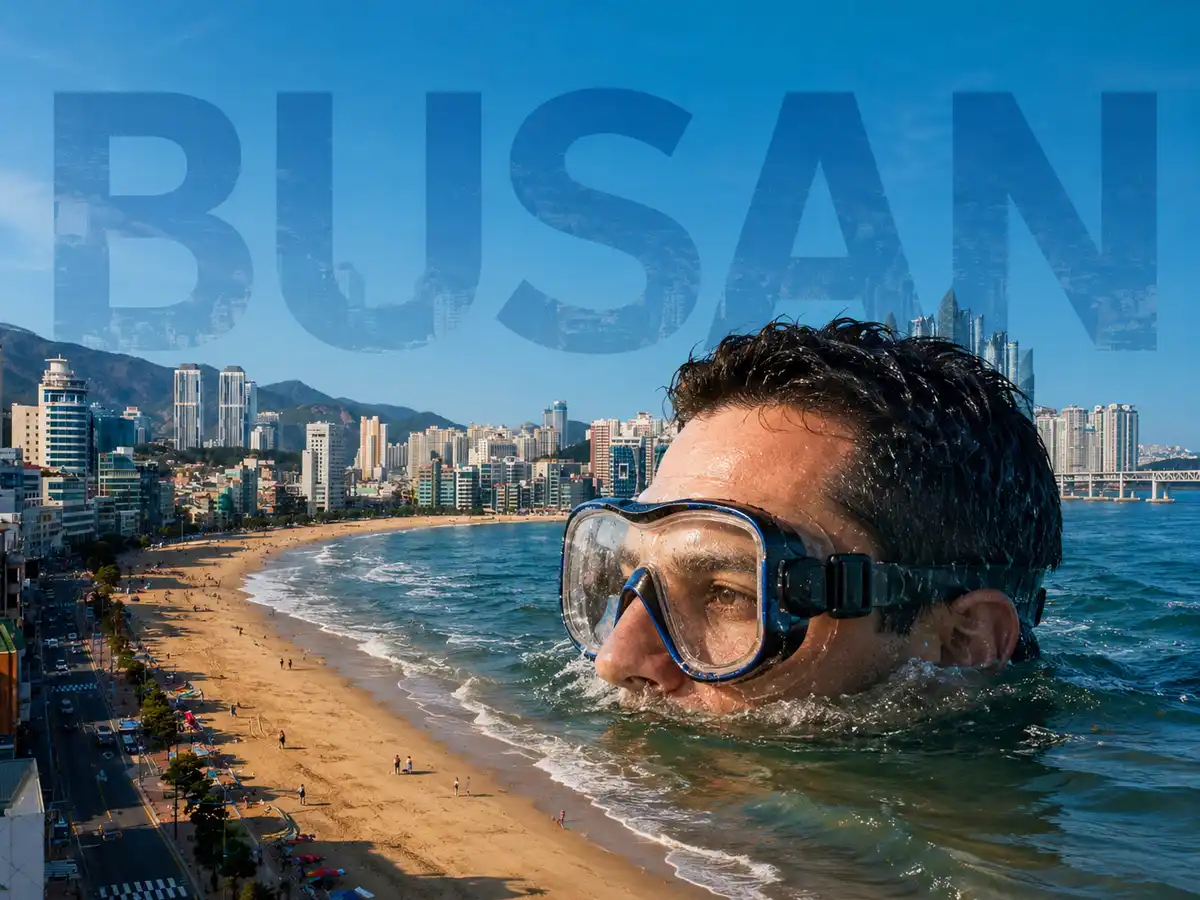
Audience reach reflects foreign nationals active on Facebook and Instagram in and around Busan, including residents, tourists, and visiting expats from nearby cities. Registered residents figure covers all nationalities.
Busan is South Korea’s second-largest city and main southern port, home to approximately 55,805 registered foreign residents as of November 2024. Expats come for universities, port work, beaches, lower rent, and a slower pace than Seoul. Busan gives you big-city services without Seoul’s constant pressure. Browse all Busan Q&A articles from real questions asked by the community.
“Busan surprised me because it felt easier to breathe than Seoul. You still get city life, but weekends can mean the beach, a hike, or a quiet coffee near the water. The hard part is choosing the right area before you sign a lease.”
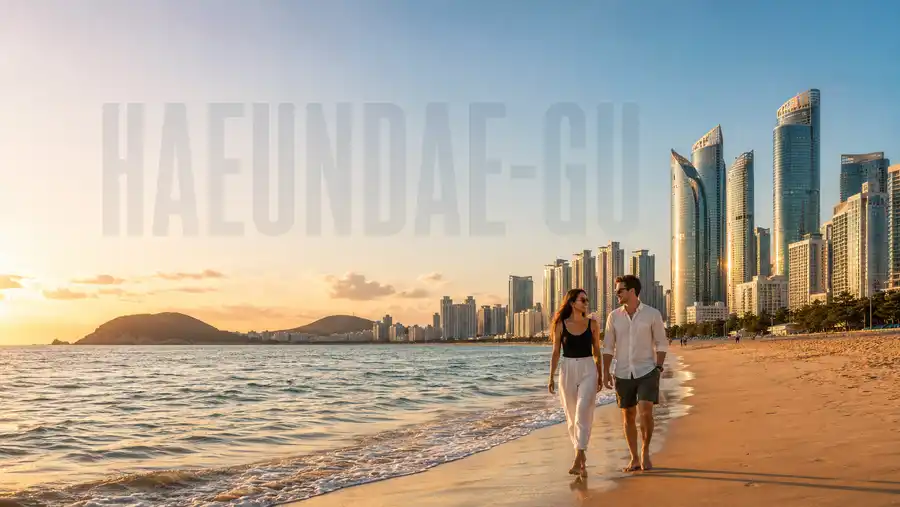
Beach-focused, service-rich
Rent: ₩600k – ₩1.1M+3,841 registered foreign residents
Beach access and newer apartments
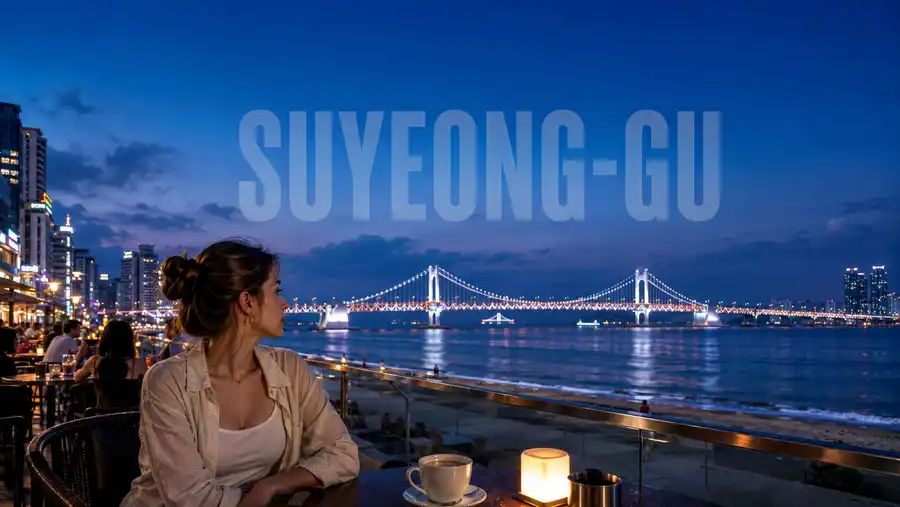
Social, waterfront, cafe-heavy
Rent: ₩550k – ₩1.0M+1,526 registered foreign residents
Gwangalli lifestyle and young professionals
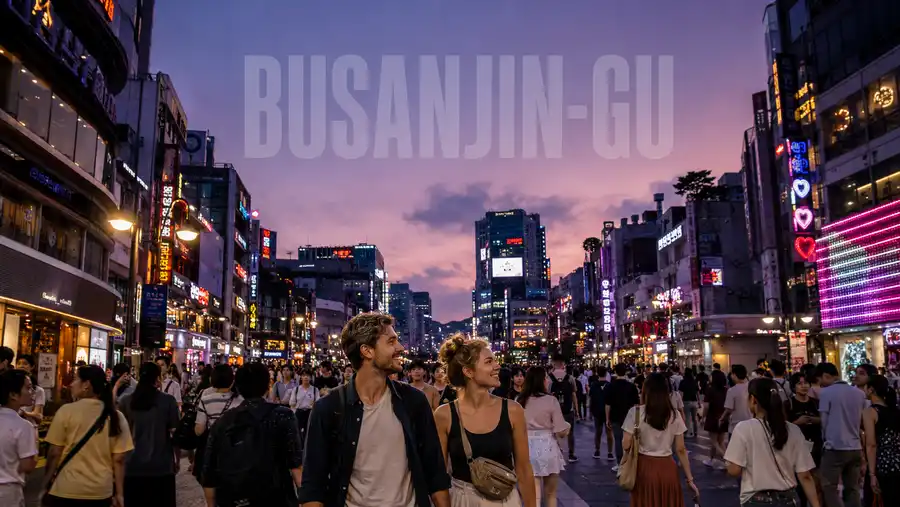
Central, convenient, nightlife-heavy
Rent: ₩450k – ₩0.8M+2,488 registered foreign residents
First arrivals and cross-city access
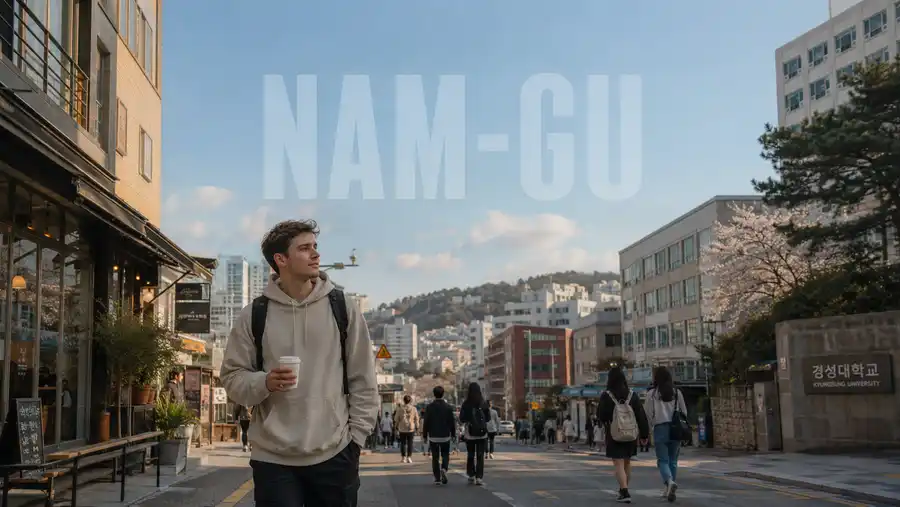
Student-friendly, practical
Rent: ₩400k – ₩0.8M+6,302 registered foreign residents
Students and lower rent
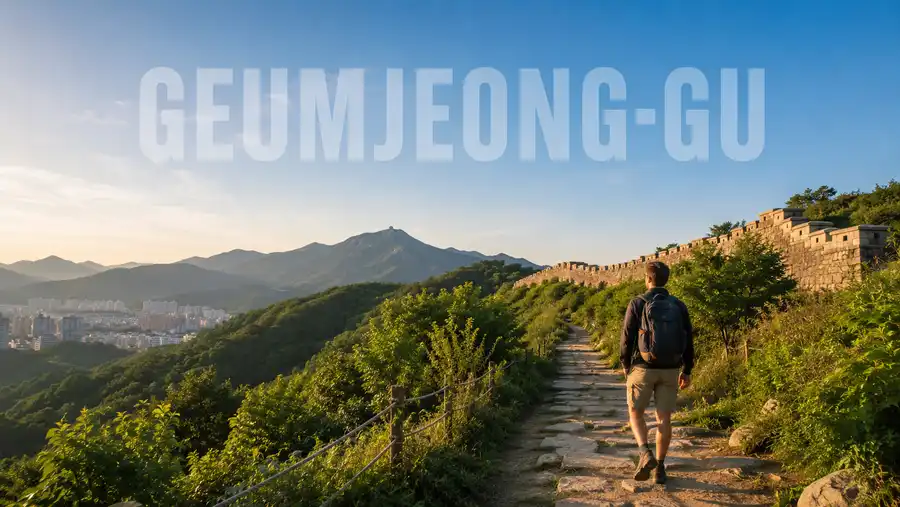
University-linked, quieter
Rent: ₩350k – ₩0.7M+4,362 registered foreign residents
PNU students and budget renters
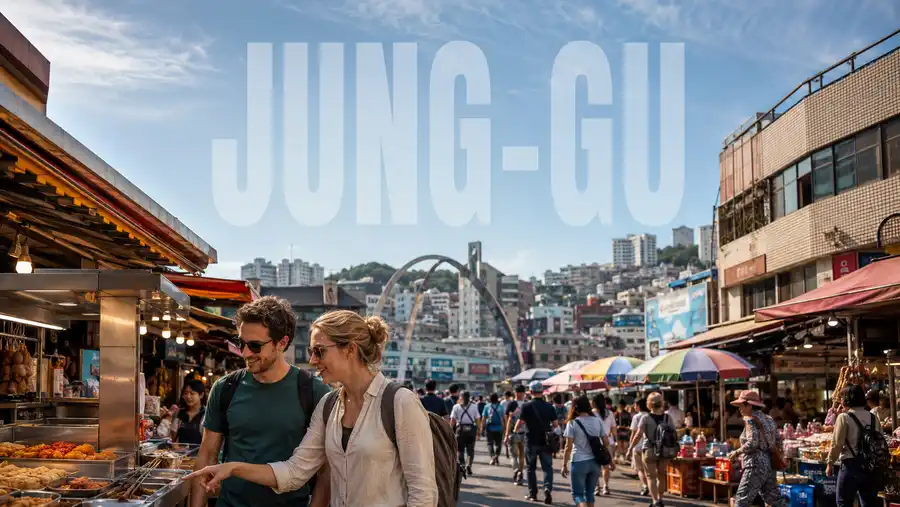
Older, central, market-linked
Rent: ₩400k – ₩0.8M+2,283 registered foreign residents
Busan Station and Nampo access
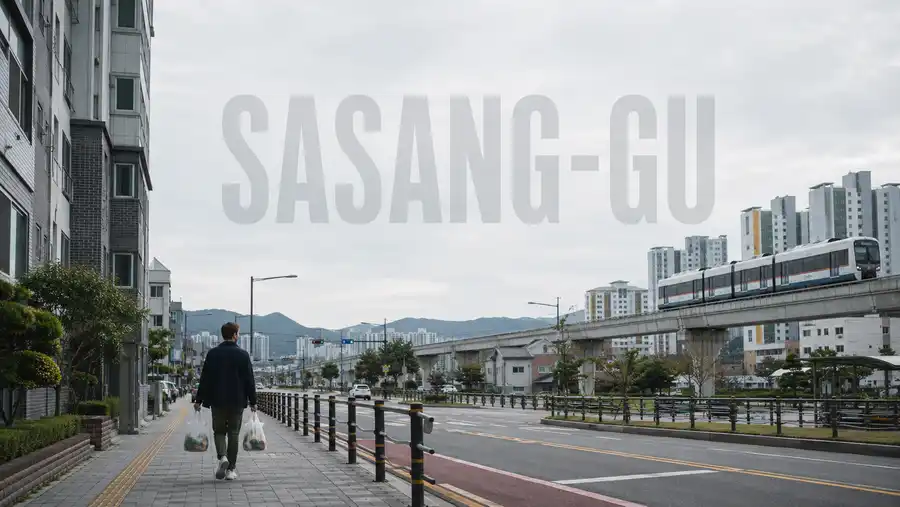
Practical, lower-cost, airport-linked
Rent: ₩350k – ₩0.7M+5,466 registered foreign residents
Airport access and budget living
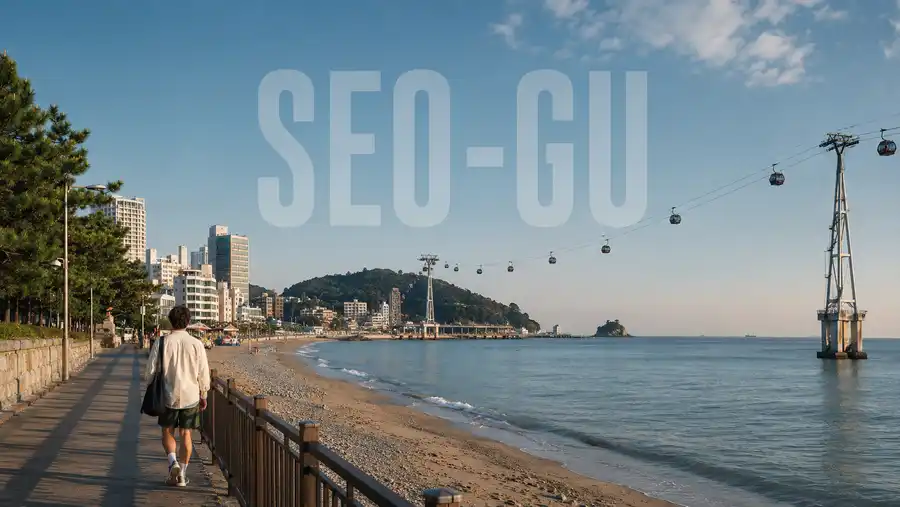
Historic, hilly, hospital-adjacent
Rent: ₩300k – ₩0.6M+3,006 registered foreign residents
Medical students and budget living

Central, connected, port-side
Rent: ₩290k – ₩0.6M+2,501 registered foreign residents
KTX access and central commuting
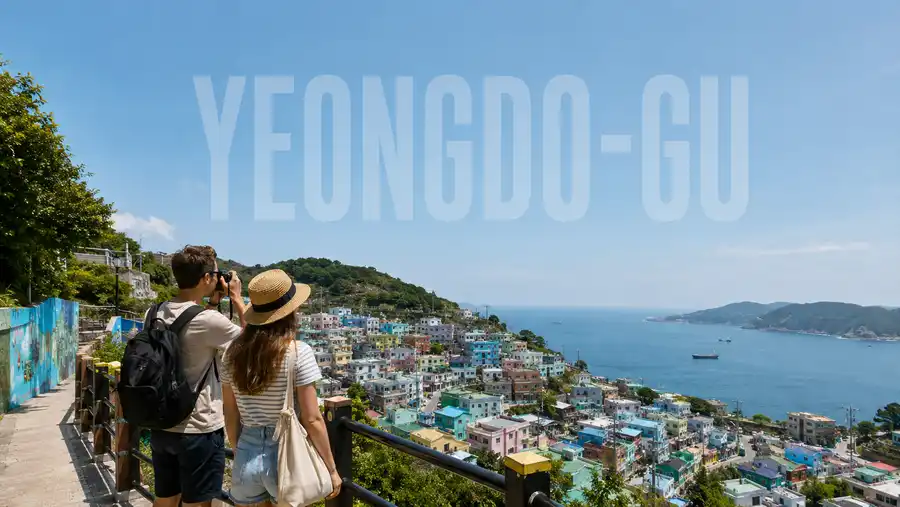
Coastal, rugged, quietly creative
Rent: ₩220k – ₩0.5M+2,778 registered foreign residents
Ocean views and slower living
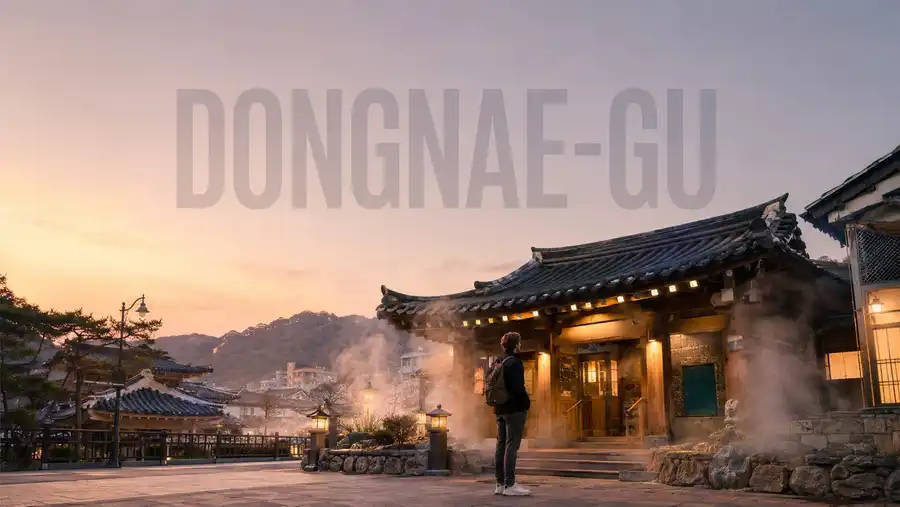
Residential, traditional, well-connected
Rent: ₩290k – ₩0.6M+1,478 registered foreign residents
Families and long-term residents
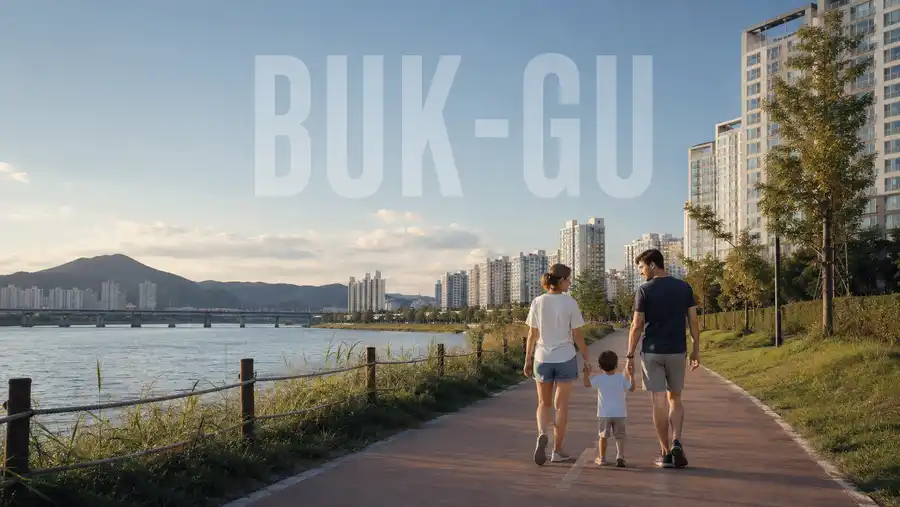
Affordable, suburban, river-adjacent
Rent: ₩230k – ₩0.6M+2,435 registered foreign residents
Space and lower housing costs

Industrial, affordable, coastal
Rent: ₩220k – ₩0.5M+5,710 registered foreign residents
Budget living and western jobs
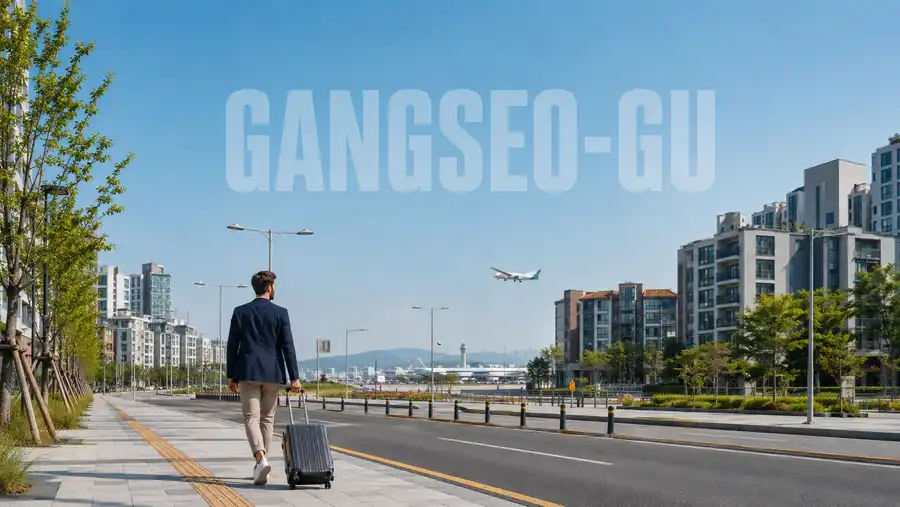
Spacious, industrial, rapidly developing
Rent: ₩400k – ₩0.5M+7,193 registered foreign residents
Airport, industry and new-town access
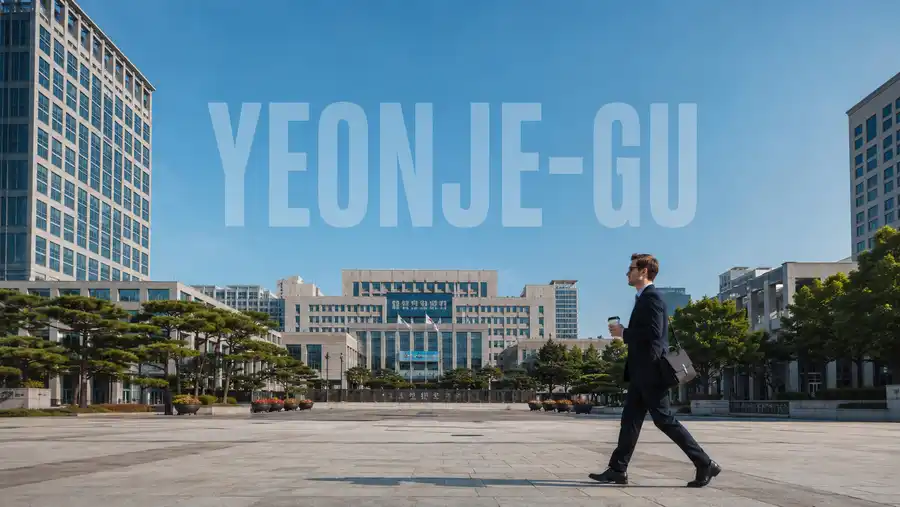
Administrative, central, practical
Rent: ₩250k – ₩0.5M+1,143 registered foreign residents
Citywide commuting and convenience
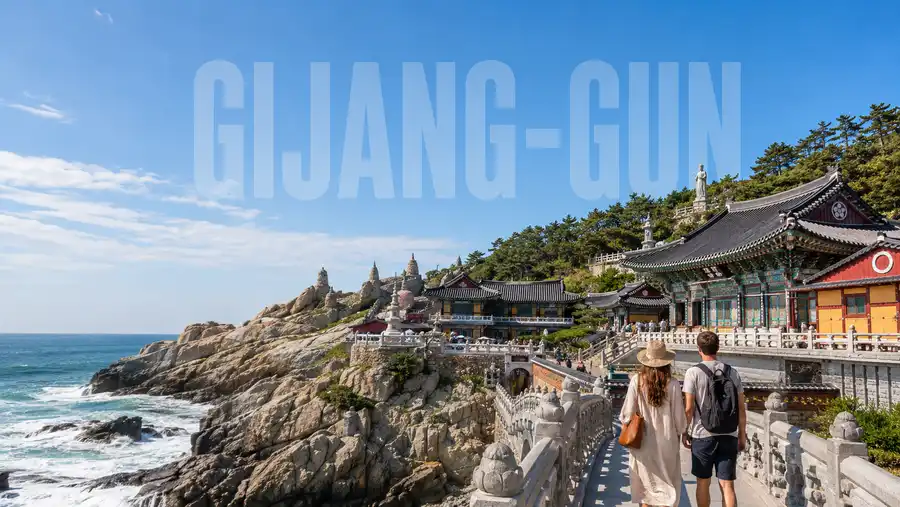
Coastal county, seafood markets, Haedong Yonggungsa Temple
A half-day trip for temples and fresh seafood
Busan usually costs less than Seoul, especially for rent. A single expat often needs 1.3 million to 2.5 million KRW per month, depending on neighbourhood, deposit size, transport habits, and how often they eat out. Rent creates the biggest savings: a studio can cost 350,000 to 1,100,000 KRW per month before utilities. Jeonse (전세) means a lump-sum deposit rental. Wolse (월세) means monthly rent with a smaller deposit.
Haeundae-gu is the easiest first landing zone for many expats in Busan. It gives beach access, newer apartments, larger hospitals, international services, and more English-friendly restaurants than most other parts of the city. Suyeong-gu works better for people who want Gwangalli and a social routine. Busanjin-gu works better for transport and nightlife. Students often compare Nam-gu, Geumjeong-gu, and Busanjin-gu.
Foreign nationals staying more than 90 days must register at Busan Immigration Office. You should book through HiKorea before visiting, because immigration offices usually require reservations for foreign registration and visa services. ARC means Alien Registration Card and acts as your main foreign resident ID in Korea. Bring your passport, visa documents, proof of address, one photo, and the fee.
Approximately 55,805 registered foreign residents live in Busan, giving the city one of Korea's largest non-Seoul expat communities. EEIK's 110,000+ members also help Busan residents find referrals, housing advice, events, and local answers. The community feels more spread out than Seoul, with Haeundae, Gwangalli, Seomyeon, Nam-gu, and university areas each having different scenes.
English is available in parts of Busan, but it is less dependable than in Seoul. Haeundae, Gwangalli, Seomyeon, major hotels, universities, and large hospitals offer the best English support. Small restaurants, landlords, government offices, and local clinics may use little English. Hagwon (학원) means a private tutoring academy, and many foreign teachers in Busan first arrive through hagwon jobs.
Studio apartments in Busan usually cost 350,000 to 1,100,000 KRW per month. Haeundae, Marine City, Gwangalli, and newer buildings cost more, while university areas and outer districts can cost less. Deposits matter as much as monthly rent, and many landlords ask for 3 million to 10 million KRW upfront. Bujongsan (부동산) means real estate agent.
Busan runs on subway, buses, taxis, walking, and the Busan-Gimhae Light Rail Transit. Lines 1, 2, 3, and 4 cover major areas, while the light rail connects Gimhae Airport to Sasang and Daejeo. Line 2 matters for Haeundae, Gwangan, Seomyeon, and Sasang. T-money cards work on subway, buses, taxis, and many convenience store payments.
Pusan National University Hospital, Dong-A University Hospital, Inje University Paik Hospital, and Haeundae Paik Hospital serve many foreign residents in Busan. Larger hospitals usually offer more English help than small neighbourhood clinics. National Health Insurance (NHI) covers most registered long-term residents after enrollment rules apply.
Busan feels safe for most foreigners, including students and solo residents. Violent street crime is uncommon, but nightlife areas still require normal caution around alcohol, phones, taxis, and late-night arguments. Beach areas can get crowded during summer, so watch bags and phones during festivals and late-night gatherings. Scams usually involve housing, contracts, used goods, or unpaid work.
You can get a Korean SIM card at Gimhae International Airport, carrier stores, or online pickup services. Long-term plans usually require an ARC, while short-term visitor SIMs can work with a passport. Major carriers include SK Telecom, KT, and LG Uplus, with budget carriers costing less after you receive your ARC.
You can open a bank account in Busan after receiving your ARC, though branch rules vary. KEB Hana, Woori, Shinhan, KB Kookmin, BNK Busan Bank, and NH branches serve foreign residents. Bring your ARC, passport, Korean phone number, and proof of address. Branches near universities, Seomyeon, Haeundae, and Busan Station usually handle foreign customers more often.
Your Busan visa depends on your reason for staying, not the city itself. Common visas include E-2 for English teaching, E-7 for skilled work, D-10 for job seeking, F-6 for marriage, and H-1 for working holiday. F-2 and F-5 visas suit some longer-term residents, and D-2 covers degree students. Visa rules change, so check with HiKorea or the 1345 Immigration Contact Center before making plans.
Busan has 15 gu districts plus one gun (Gijang-gun), each with its own character. Yeongdo-gu is an island district known for Taejongdae Resort Park's coastal cliffs, close to the colorful hillside village of Gamcheon. Dong-gu centers on Busan Station, Chinatown, and the Texas Street area. Dongnae-gu is known for its natural hot springs at Heosimcheong and several historical sites. Gangseo-gu is Busan's largest district by area, covering the Nakdong River estuary, Gimhae International Airport, and the newer Myeongji Town. Saha-gu sits in the west, home to the Dadaepo Sunset Fountain of Dream and the Nakdong Estuary Eco Center. Buk-gu runs along the Nakdong River and is known for Hwamyeong Ecological Park. Seo-gu is a hilly coastal district with Songdo Beach and its ocean skywalk. Yeonje-gu is Busan's administrative center, home to Busan City Hall. Gijang-gun, the only county in Busan, is a fast-growing coastal area known for Haedong Yonggungsa Temple, beachfront cafes, and Lotte World Adventure Busan.

EEIK reaches up to 88,400 international visitors and residents in and around Busan: through the main community (117,000+ members), curated groups, and a newsletter with 30,000+ subscribers. No other publisher in Korea offers this reach with this level of expat-audience focus.