International Audience Reach
220,000 – 320,000
Meta Ad Manager · May 2026
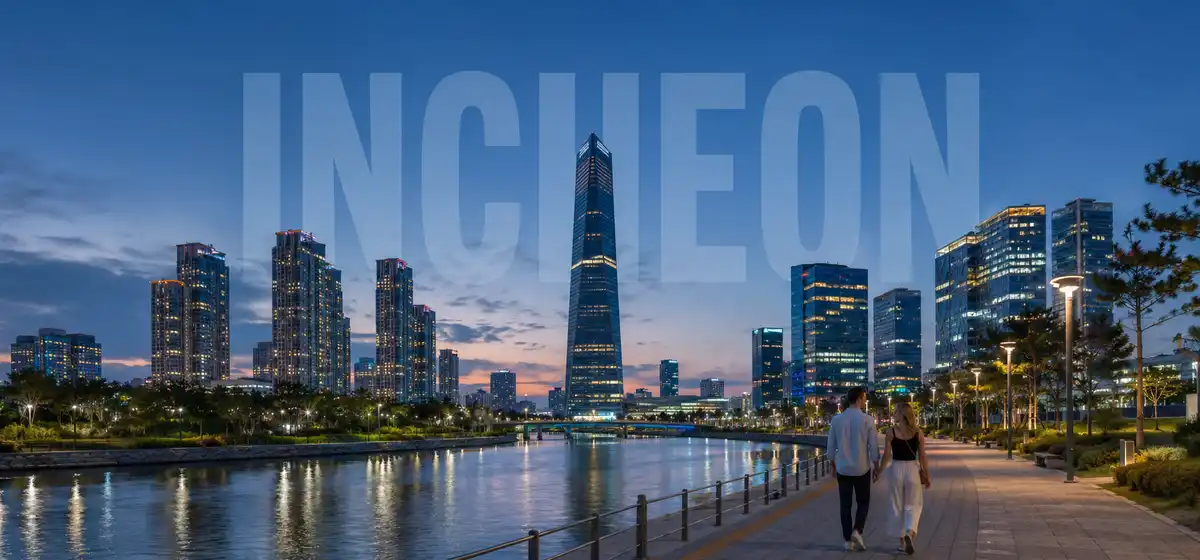
Audience reach reflects foreign nationals active on Facebook and Instagram in and around Incheon, including residents, tourists, and visiting expats from nearby cities. Registered residents figure covers all nationalities.
Incheon is a major port city west of Seoul, home to approximately 81,016 registered foreign residents. Expats come for airport work, universities, logistics jobs, international schools, and lower rent than Seoul. Incheon feels connected to Seoul, but daily life changes a lot by district. Browse all Incheon Q&A articles from real questions asked by the community.
“Incheon made sense once I stopped thinking of it as one city. Songdo, Bupyeong, and Yeongjong all feel different. The right area depends on your commute, not just the rent.”
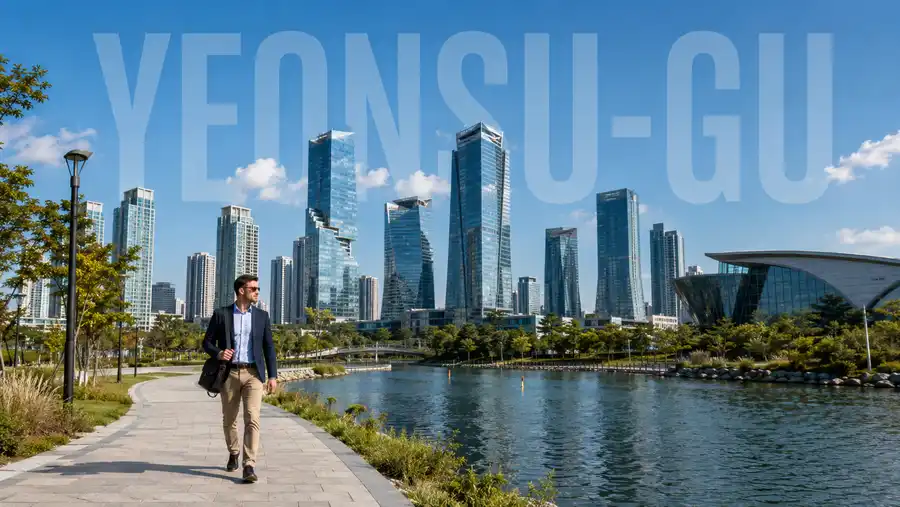
Newer, international, planned
Rent: ₩650k – ₩1.2M+16,818 registered foreign residents
Families, professionals, international schools

Connected, social, practical
Rent: ₩400k – ₩0.8M+15,463 registered foreign residents
Seoul commuters and first arrivals
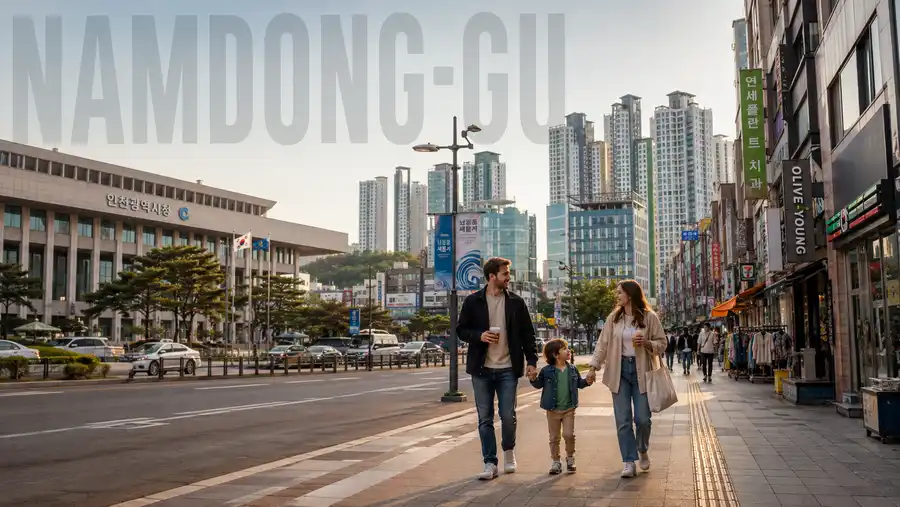
Central, convenient, service-heavy
Rent: ₩450k – ₩0.8M+12,186 registered foreign residents
Office access and daily convenience
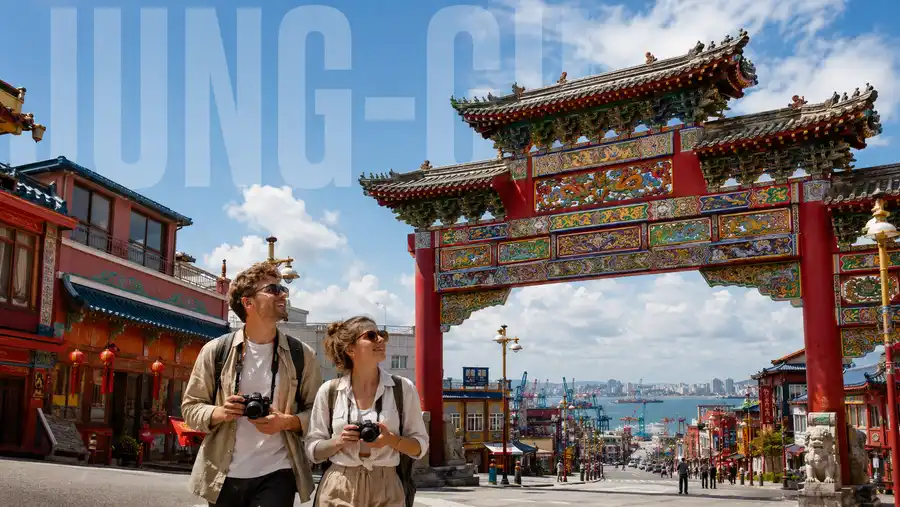
Airport-linked, quieter, spread out
Rent: ₩450k – ₩0.9M+4,770 registered foreign residents
Airport workers and hotel staff
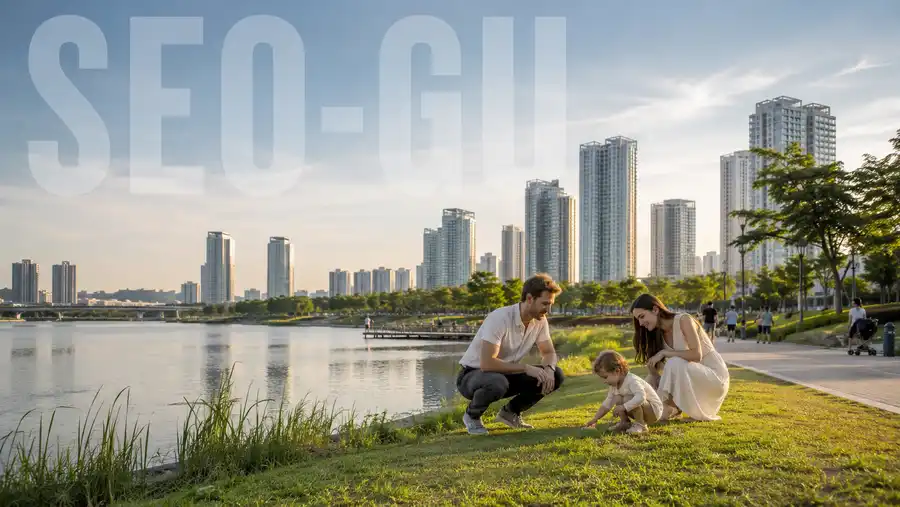
Planned, residential, family-friendly
Rent: ₩500k – ₩0.9M+14,247 registered foreign residents
Families and newer apartments
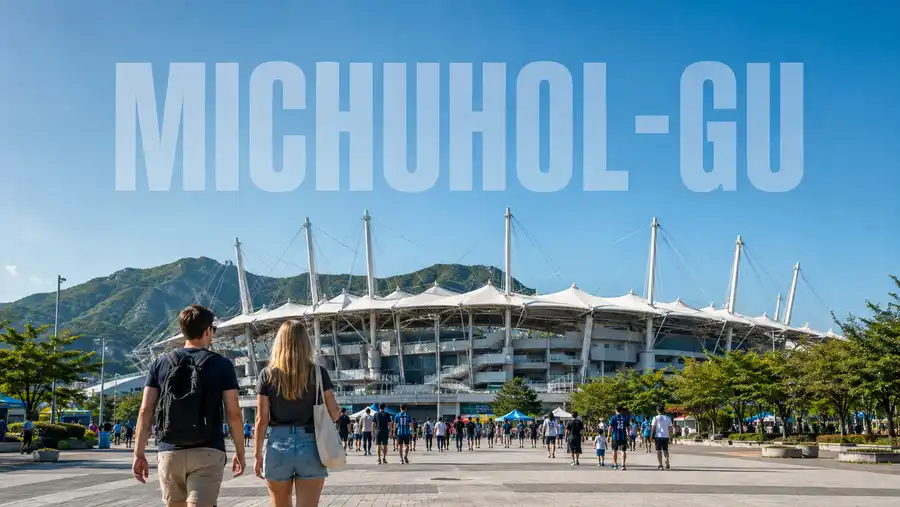
Older, cheaper, university-linked
Rent: ₩350k – ₩0.7M+11,595 registered foreign residents
Students and budget renters
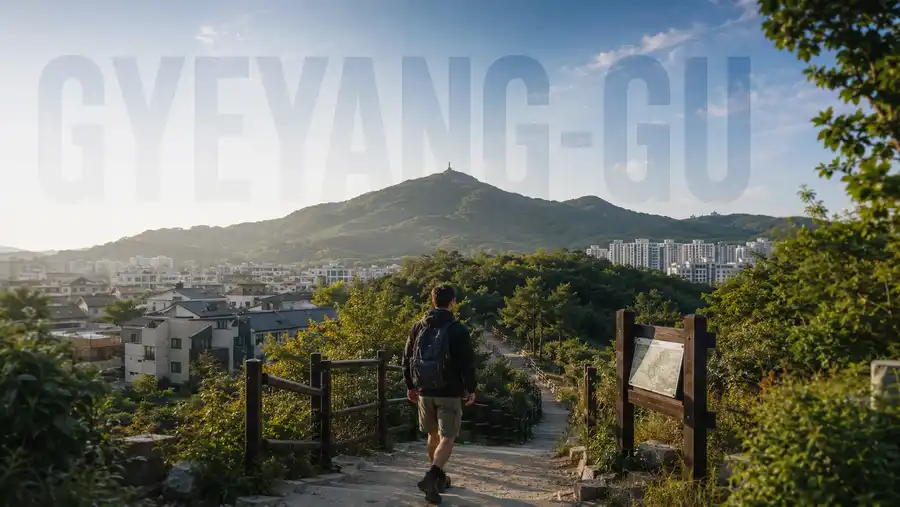
Residential, lower-cost, Seoul-adjacent
Rent: ₩350k – ₩0.7M+3,556 registered foreign residents
Budget commuters
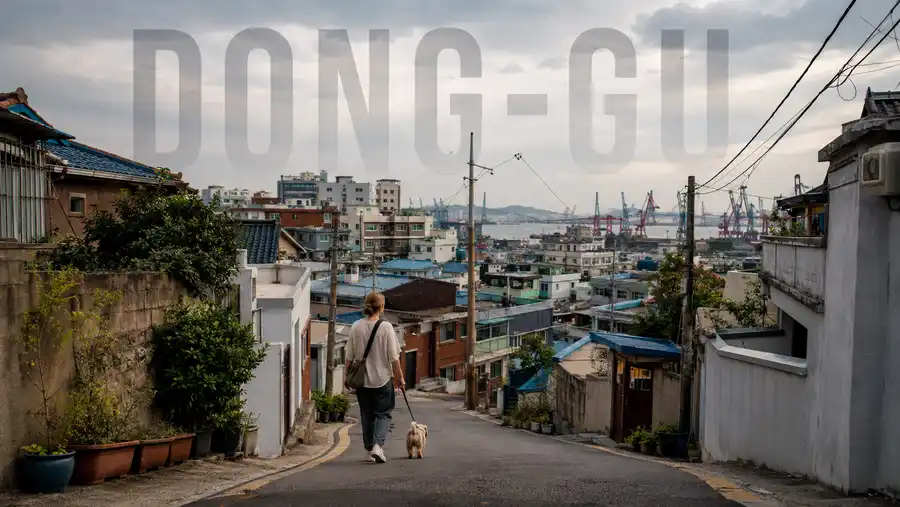
Small, historic residential neighborhood near the old port
A quick stop for authentic old-Incheon streets

Rural island, UNESCO dolmen sites, traditional Korea
A full-day trip for history and countryside

Remote outer islands, fishing villages, ferry access
An overnight trip for coastal scenery and quiet
Incheon usually costs less than Seoul, especially for rent outside Songdo and airport-adjacent areas. A single expat often needs 1.2 million to 2.4 million KRW per month, depending on district, commute, deposit, and lifestyle. Rent creates the biggest savings: a studio can cost 350,000 to 1,200,000 KRW per month before utilities. Jeonse (전세) means a lump-sum deposit rental. Wolse (월세) means monthly rent with a smaller deposit.
Songdo in Yeonsu-gu is the easiest first landing zone for many expats in Incheon. It gives newer housing, international schools, university access, cleaner streets, and stronger English support than most other districts. Bupyeong works better for Seoul commuters and nightlife. Yeongjong works better for airport workers. Families often compare Songdo, Cheongna, and parts of Yeonsu-gu.
Foreign nationals staying more than 90 days must register at Incheon Immigration Office. You should book through HiKorea before visiting, because immigration offices usually require reservations for foreign registration and visa services. ARC means Alien Registration Card and acts as your main foreign resident ID in Korea. Bring your passport, visa documents, proof of address, one photo, and the fee.
Approximately 81,016 registered foreign residents live in Incheon, giving it one of Korea's largest foreign resident bases. EEIK's 110,000+ members also help Incheon residents find housing advice, referrals, events, and practical local answers. The community feels split by district and job type: airport workers, teachers, students, factory workers, spouses, and professionals often live in different areas. Songdo feels more international, while Bupyeong and older districts feel more local.
English is available in parts of Incheon, but it depends heavily on district. Songdo, airport areas, international schools, large hotels, and major hospitals offer the strongest English support. Small restaurants, landlords, government offices, and local clinics may use little English. Hagwon (학원) means a private tutoring academy, and many foreign teachers in Incheon first arrive through hagwon jobs.
Studio apartments in Incheon usually cost 350,000 to 1,200,000 KRW per month. Songdo, Cheongna, Yeongjong, and newer buildings cost more, while older areas near Juan or Bupyeong can cost less. Deposits matter as much as monthly rent, and many landlords ask for 3 million to 10 million KRW upfront. Bujongsan (부동산) means real estate agent.
Incheon runs on subway, buses, taxis, AREX airport rail, and Seoul-area rail links. Incheon Subway Lines 1 and 2 serve local districts, while Subway Line 1 and AREX connect Incheon to Seoul. AREX matters for the airport, Geomam, Gyeyang, Gimpo Airport, Hongdae, and Seoul Station. T-money cards work on subway, buses, taxis, and many convenience store payments.
Inha University Hospital, Gachon University Gil Medical Center, and Incheon St. Mary's Hospital serve many foreign residents in Incheon. Larger hospitals usually offer more English help than small neighbourhood clinics. National Health Insurance (NHI) covers most registered long-term residents after enrollment rules apply.
Incheon feels safe for most foreigners, especially in residential districts and planned areas like Songdo. Violent street crime is uncommon, but nightlife areas still require normal caution around alcohol, phones, taxis, and late-night conflict. Older station areas can feel rougher late at night than Songdo or Cheongna. Scams usually involve housing, contracts, used goods, or unpaid work.
You can get a Korean SIM card at Incheon International Airport, carrier stores, or online pickup services. Long-term plans usually require an ARC, while short-term visitor SIMs can work with a passport. Major carriers include SK Telecom, KT, and LG Uplus, with budget carriers costing less after you receive your ARC.
You can open a bank account in Incheon after receiving your ARC, though branch rules vary. KEB Hana, Woori, Shinhan, KB Kookmin, IBK, and NH branches serve foreign residents. Bring your ARC, passport, Korean phone number, and proof of address. Branches near Songdo, Bupyeong, Incheon National University, and airport areas usually handle foreign customers more often.
Your Incheon visa depends on your reason for staying, not the city itself. Common visas include E-2 for English teaching, E-7 for skilled work, D-10 for job seeking, F-6 for marriage, and H-1 for working holiday. F-2 and F-5 visas suit some longer-term residents, and D-2 covers degree students. Visa rules change, so check with HiKorea or the 1345 Immigration Contact Center before making plans.
116,569+ members
Striving to become the representative group to reflect the unique diversity and needs of Korea's expat community.
7,145+ members
The main community group for expats and residents in Songdo, Incheon. Local advice, events, buy/sell, and general discussion.
4,961+ members
Community group for residents and expats in Yeonsu-gu, Incheon, covering Songdo and surrounding areas.

EEIK reaches up to 320,000 international visitors and residents in and around Incheon: through the main community (117,000+ members), curated groups, and a newsletter with 30,000+ subscribers. No other publisher in Korea offers this reach with this level of expat-audience focus.